




Welcome to KosherVitamins.com
Sign in to see your orders, reorder in a click and use your rewards.
Sign in Create an account- Track every order and buy again in one click
- Subscribe & Save – save on every delivery, skip any time
- Earn store credit for reviews and for sharing with friends
- SHOP BY BRAND
- Adora
- Bluebonnet
- Celestial Seasonings
- Derma E
- Doctors Finest
- Dynamic Health
- Earth Therapeutics
- Enzymedica
- Freeda
- Garden of Life
- Grab1
- Green Field
- Growing Naturals
- Health From The Sun
- Health Garden
- Home Health
- If You Care
- In Balance
- Jason
- Kind
- Kosher Innovations
- Kovite
- L.A. Naturals
- Landau
- Lavenluv
- Leroux
- Manitoba Harvest
- Maxi Health
- MegaFood
- Mount Hagen
- Nature’s Alchemy
- Nature`s Plus
- Natures Answer
- Navitco
- New Chapter
- NuGo Nutrition
- Numi Tea
- Nutiva
- NutraBio
- NutraLife
- NutriBiotic
- Nutri-Supreme Research
- Olivella
- Organic India
- Pukka
- Raw Revolution
- Red Star
- Ricola
- Similasan
- Simply Tera’s
- Solgar
- South of France
- SweetLeaf
- Teeccino
- Tiger Balm
- Trace Minerals Research
- Uncle Moishy
- Yum V’s
- Zahlers
- SHOP BY CATEGORIES
- Accessories
- Anti-aging
- Apparel & Accessories
- Baby & Children’s Supplements
- Baby Bath & Skin Care
- Bath & Personal Care
- Botanicals & Herbs
- Diet & Weight Management
- Formulas
- Gifts, Books & Media
- Healthy Home & Travel
- Herbal Teas & Throat Drops
- Homeopathy
- Medicine Cabinet
- Minerals
- Natural Grocery
- Organic
- ParaStat
- Passover Products
- Pets
- Shop by Health Concern
- Sports Nutrition
- Supplements
- Vitamins & Supplements
- BUY 1 GET 1 FREE
- PRODUCTS A-Z
- SHOP BY SALE ITEMS
- TOP SELLERS
- LEARNING CENTER


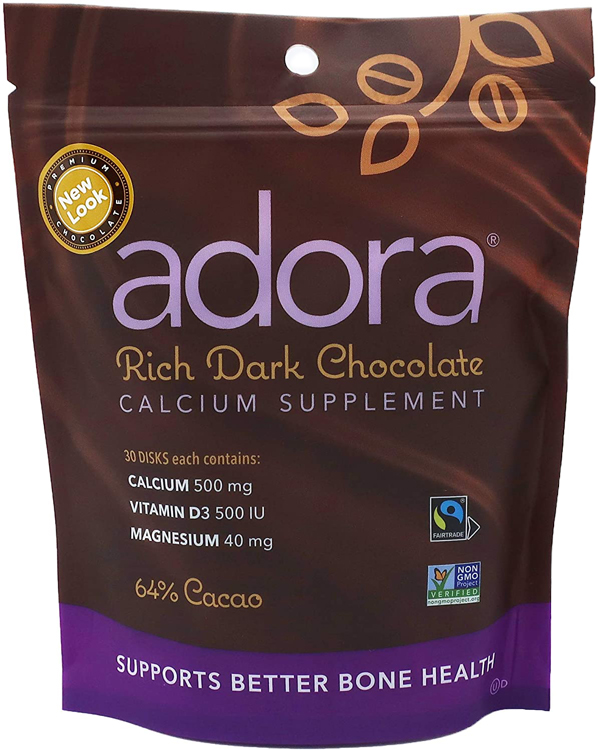
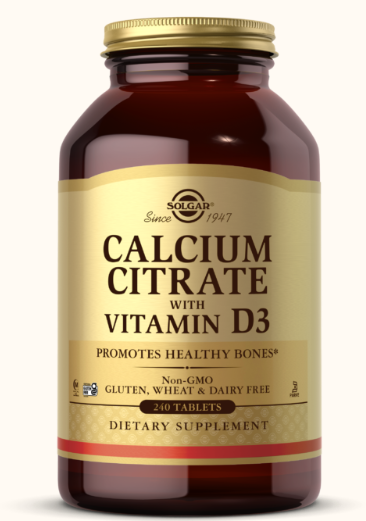
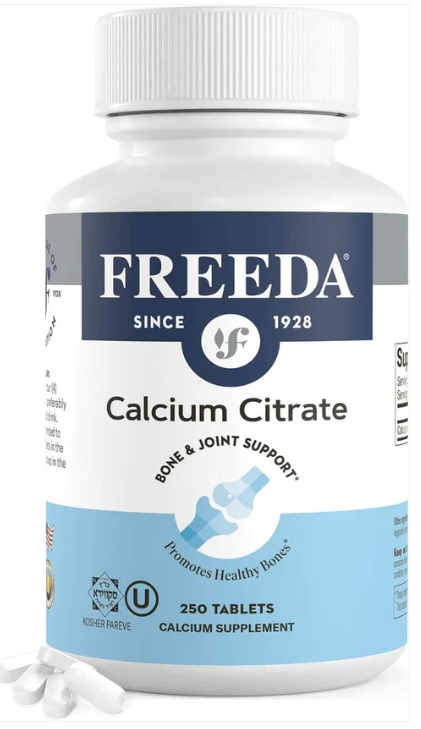

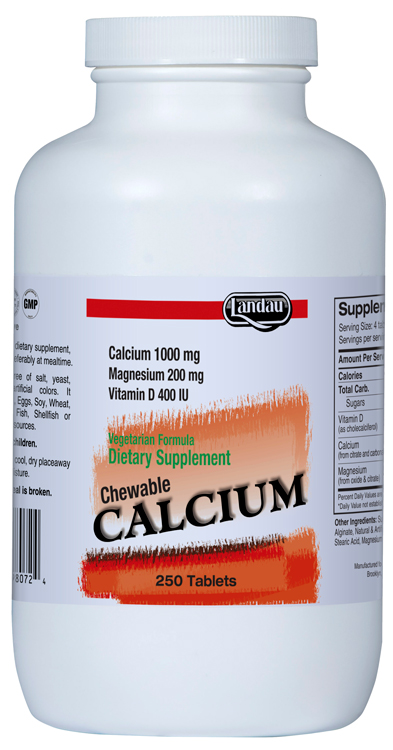
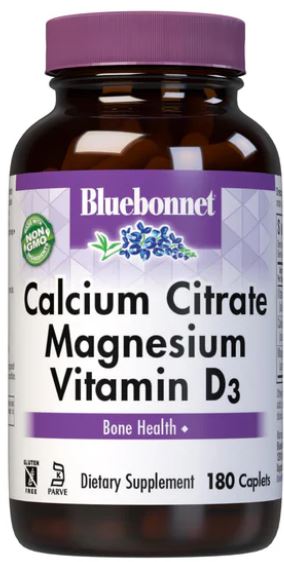
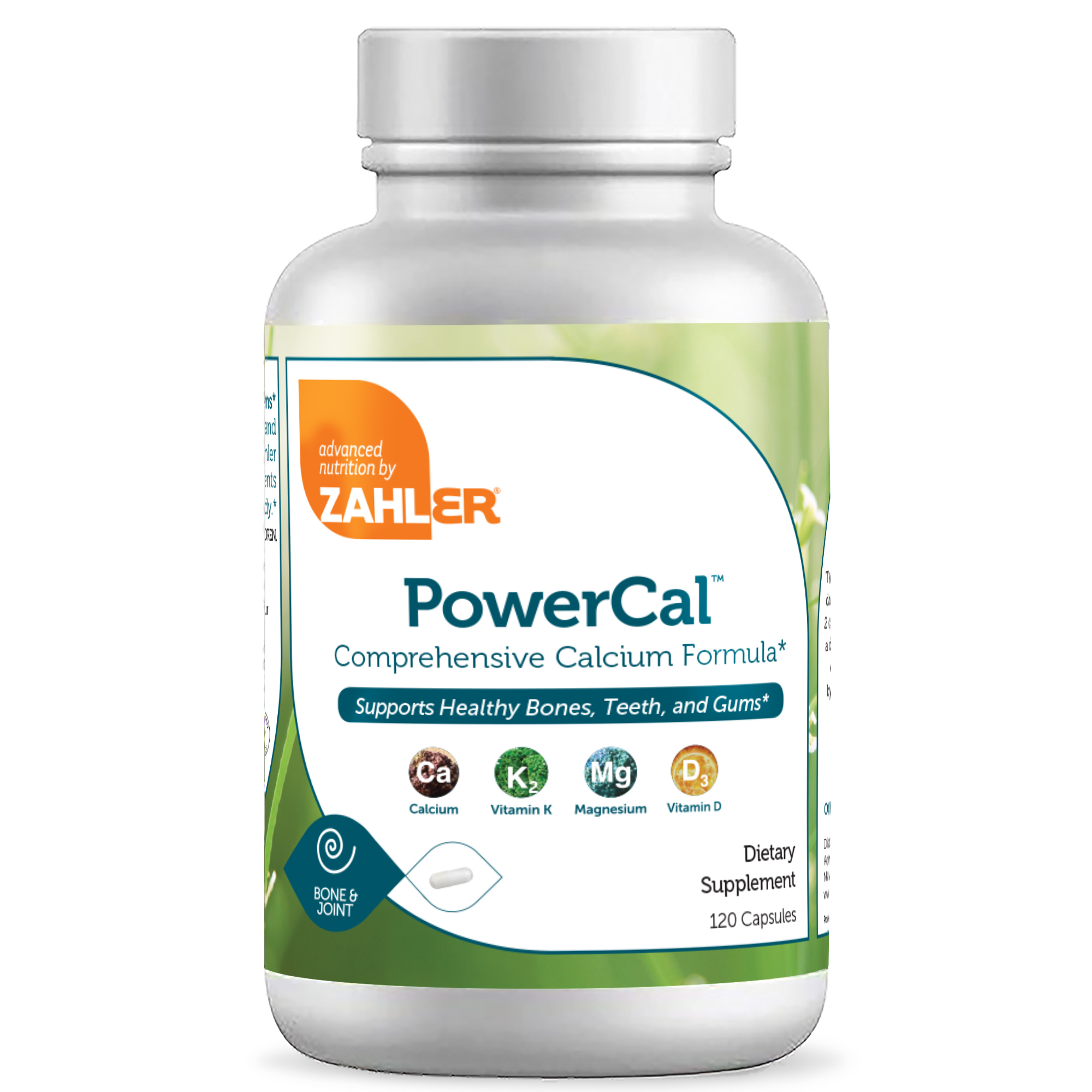

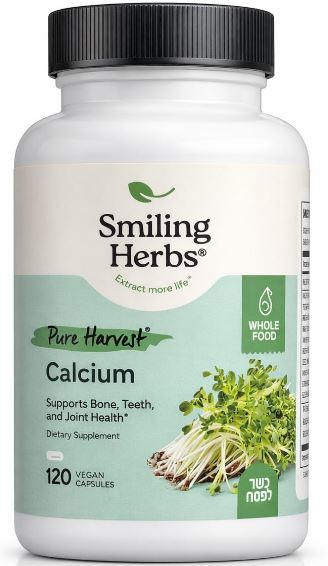
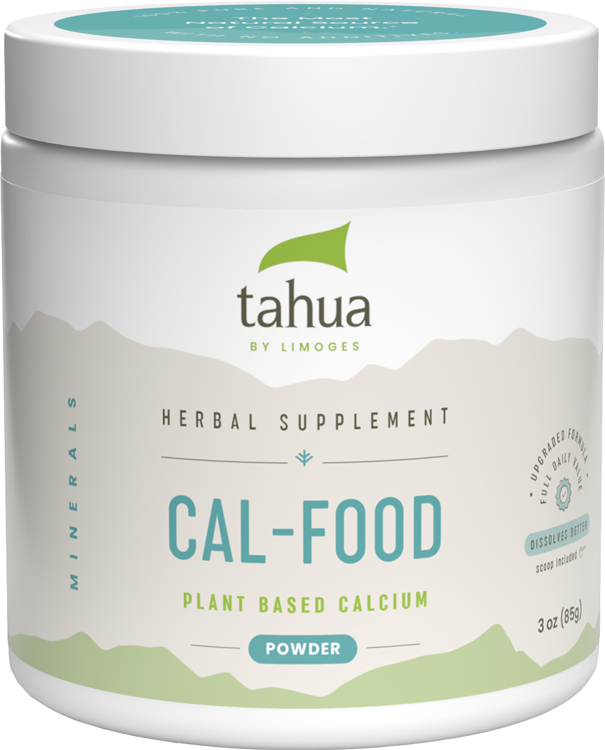
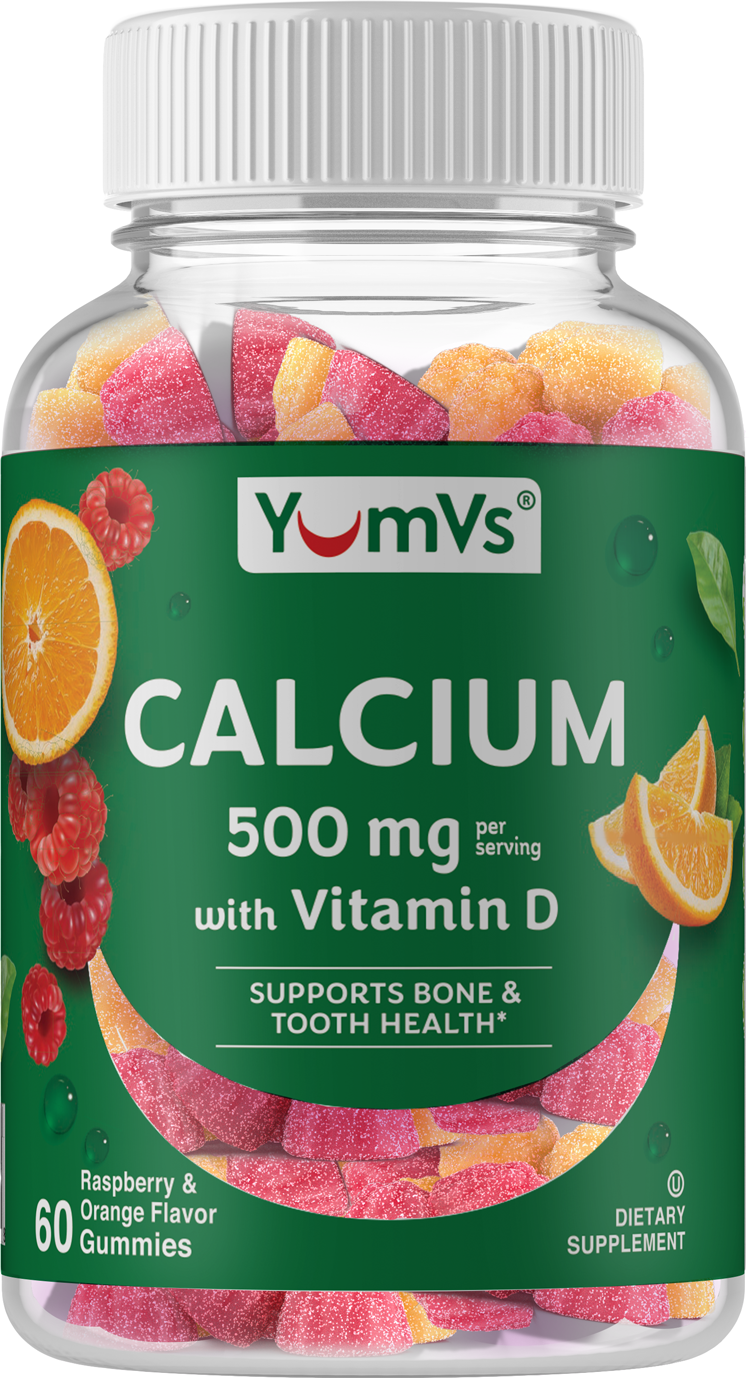
Calcium comes in tablets, capsules, chocolate chews, gummies, liquids and plant-based powders, often with vitamin D3 and magnesium. Here is how to choose a kosher calcium supplement, and how to take it so it is absorbed well.
What makes a calcium supplement kosher
Vitamin D3
Most calcium supplements add vitamin D3, which is usually made from lanolin (sheep’s wool) and needs kosher supervision. See our kosher vitamin D guide.
Chewables, gummies and liquids
Chewable calcium is often flavored, and some chews are made with real chocolate and milk. Gummies can be made with gelatin or pectin, and liquids contain flavors and often glycerin, which the Star-K says needs reliable certification. A kosher symbol covers all of these.
Where the calcium comes from
- Mined or manufactured: calcium carbonate and calcium citrate in most tablets.
- Algae: "plant" calcium from red algae (Lithothamnion), used in some vegetarian products.
- Oyster shell: calcium carbonate from oyster shells. Aish explains that the Torah forbids the edible parts of non-kosher animals, not inedible shells, so oyster-shell calcium is permitted, though some are stringent and choose other sources when they are healthy. None of the calcium products on our shelves that we checked list oyster shell.
- Bone meal and dolomite: Penn State Extension advises avoiding these, because they may contain lead, mercury or arsenic.
Dairy or pareve?
Most calcium tablets are pareve. The popular Adora calcium chews come in milk chocolate and dark chocolate, and both are labeled dairy and certified OU-D. If you need a pareve calcium after a meat meal, choose a tablet, capsule, liquid or a pareve chewable, and check for the D on the label. See our Cholov Yisroel guide.
Carbonate vs. citrate
| Calcium carbonate | Calcium citrate | |
|---|---|---|
| Calcium per gram | About 40%, so tablets are smaller | About 21%, so you need more tablets |
| When to take | With food, which helps absorption | With or without food |
| Best for | Most people, value | Older adults, people on acid-reducing heartburn medicines |
The NIH Office of Dietary Supplements says calcium carbonate is absorbed best with food, while calcium citrate is absorbed well on an empty or full stomach, and is easier to absorb for people with low stomach acid, which is more common in older people.
How much calcium, and how to take it
The NIH recommends 1,000 mg a day for most adults 19 to 50 and for men 51 to 70, and 1,200 mg for women over 50 and everyone over 70, from food and supplements together. Children 9 to 18 need 1,300 mg.
- 500 mg at a time: the NIH says calcium is absorbed best in doses of 500 mg or less. If you take 1,000 mg from supplements, split it into two doses.
- Count your food: milk, yogurt, cheese and fortified foods count toward the total. The upper limit from all sources is 2,500 mg a day for adults 19 to 50 and 2,000 mg after 50.
- Iron: calcium and iron compete for absorption, so Penn State Extension advises taking them at different times of day. See our iron guide.
- Medicines: calcium can interact with some medicines, such as thyroid medicine and certain antibiotics. Ask your pharmacist about timing.
Calcium on Pesach
Year-round kosher certification does not cover Passover. Check for a Passover marking or the current Passover lists, or see our Passover calcium department. See our Passover guide.
Kosher calcium we carry
These are the certifications shown on our product pages:
| Product | Form | Certification on our product pages |
|---|---|---|
| Adora calcium chews | Milk or dark chocolate chew with D3 and magnesium (dairy) | OU-D |
| Maxi Health Cal-Max, Cal-M-D and CalciYum | Tablets, and strawberry chewables for kids | OU, Udvarer Rav; many also Edah Charedis |
| Zahler’s Power Cal | Capsules, carbonate and citrate | OU and Debracin |
| Landau calcium | Tablets and chewables | Volover Rav |
| Solgar calcium | Citrate tablets, chewable wafers, liquids | Kof-K |
| Bluebonnet liquid calcium magnesium citrate | Flavored liquid with D3 | Kof-K |
| Freeda calcium citrate | Tablets | OU and New Square |
| Yum V’s calcium gummies | Gummies with D3 | OU |
| Garden of Life Kosher Organics Plant Calcium | Algae calcium tablets | Star-K |
A few calcium products we sell are not kosher certified, and their names say so. Certifications can change, so always check the symbol on the package you buy.
Checklist
- A reliable kosher symbol, covering the vitamin D3, flavors and capsule.
- Dairy (D) or pareve, especially for chocolate chews.
- No more than 500 mg of calcium at a time; carbonate with food.
- Avoid bone meal and dolomite.
- For Pesach, a Passover marking or the current Passover lists.
Shop
Frequently asked questions
Are calcium supplements kosher?
Calcium itself is a mineral, but the vitamin D3, flavors, gummies and capsules in calcium supplements need kosher supervision. Choose a product with a reliable kosher symbol.
Are Adora calcium chews dairy?
Yes. Adora calcium chews, both milk chocolate and dark chocolate, are labeled dairy and certified OU-D. Choose a pareve calcium if you need one after a meat meal.
Is oyster shell calcium kosher?
Aish explains that the Torah forbids the edible parts of non-kosher animals, not inedible shells, so oyster-shell calcium is permitted, though some are stringent when they are healthy. The product still needs a reliable kosher certification for its other ingredients.
Which is better, calcium carbonate or citrate?
Carbonate has more calcium per tablet and is absorbed best with food. Citrate can be taken with or without food and is easier to absorb for people with low stomach acid or on acid-reducing medicines.
How much calcium can I take at once?
The NIH says calcium is absorbed best in doses of 500 mg or less. If you take 1,000 mg a day from supplements, split it into two doses.
More guides
- Kosher vitamin D: D3, D2 and vegan options
- Kosher magnesium: glycinate, citrate and other forms
- Cholov Yisroel vitamins and supplements
- Kosher vitamins for kids: gummies, chewables and liquids
- Is Maxi Health kosher? Who certifies Maxi Health
Sources
- NIH Office of Dietary Supplements: calcium (consumer fact sheet)
- NIH Office of Dietary Supplements: calcium (health professional fact sheet)
- MedlinePlus: calcium supplements
- Harvard Health: choosing a calcium supplement
- Penn State Extension: calcium supplements
- Aish: medicine from oyster shell
- STAR-K: glycerin, gelatin, stearates and carmine
Got questions? We’re here to help.Mon–Thu 9 AM–5 PM · Fri 9 AM–12:30 PM (Eastern)

One of the largest selections of kosher-certified vitamins and supplements online. Family owned, serving customers since 1975.
| Mon – Thu | 9:00 AM – 5:00 PM |
| Friday | 9:00 AM – 12:30 PM |
| Sat, Sun | Closed |