


Welcome to KosherVitamins.com
Sign in to see your orders, reorder in a click and use your rewards.
Sign in Create an account- Track every order and buy again in one click
- Subscribe & Save – save on every delivery, skip any time
- Earn store credit for reviews and for sharing with friends
- SHOP BY BRAND
- Adora
- Bluebonnet
- Celestial Seasonings
- Derma E
- Doctors Finest
- Dynamic Health
- Earth Therapeutics
- Enzymedica
- Freeda
- Garden of Life
- Grab1
- Green Field
- Growing Naturals
- Health From The Sun
- Health Garden
- Home Health
- If You Care
- In Balance
- Jason
- Kind
- Kosher Innovations
- Kovite
- L.A. Naturals
- Landau
- Lavenluv
- Leroux
- Manitoba Harvest
- Maxi Health
- MegaFood
- Mount Hagen
- Nature’s Alchemy
- Nature`s Plus
- Natures Answer
- Navitco
- New Chapter
- NuGo Nutrition
- Numi Tea
- Nutiva
- NutraBio
- NutraLife
- NutriBiotic
- Nutri-Supreme Research
- Olivella
- Organic India
- Pukka
- Raw Revolution
- Red Star
- Ricola
- Similasan
- Simply Tera’s
- Solgar
- South of France
- SweetLeaf
- Teeccino
- Tiger Balm
- Trace Minerals Research
- Uncle Moishy
- Yum V’s
- Zahlers
- SHOP BY CATEGORIES
- Accessories
- Anti-aging
- Apparel & Accessories
- Baby & Children’s Supplements
- Baby Bath & Skin Care
- Bath & Personal Care
- Botanicals & Herbs
- Diet & Weight Management
- Formulas
- Gifts, Books & Media
- Healthy Home & Travel
- Herbal Teas & Throat Drops
- Homeopathy
- Medicine Cabinet
- Minerals
- Natural Grocery
- Organic
- ParaStat
- Passover Products
- Pets
- Shop by Health Concern
- Sports Nutrition
- Supplements
- Vitamins & Supplements
- BUY 1 GET 1 FREE
- PRODUCTS A-Z
- SHOP BY SALE ITEMS
- TOP SELLERS
- LEARNING CENTER
.jpg)

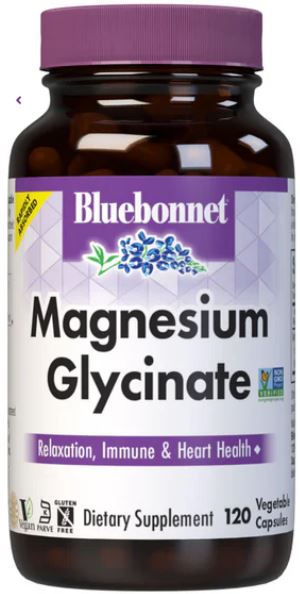
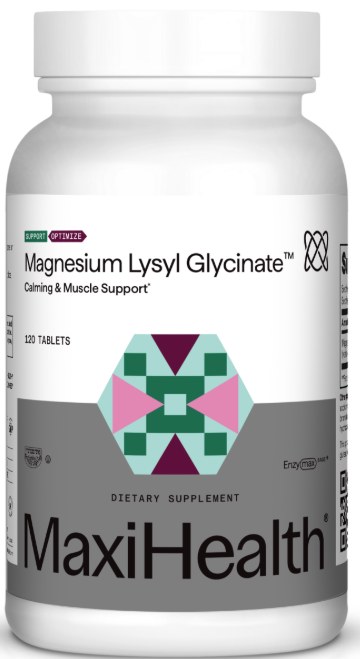
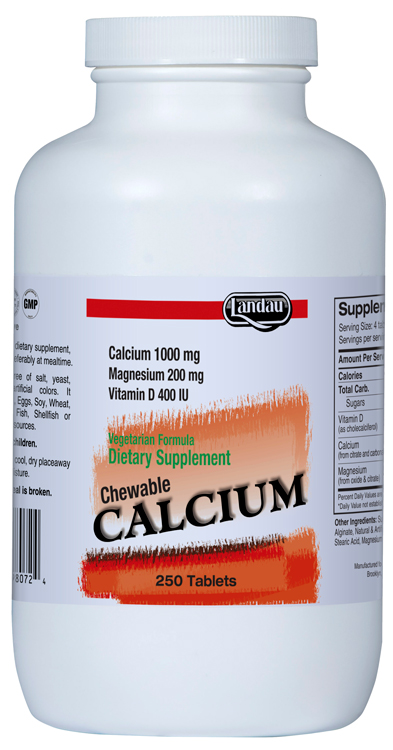
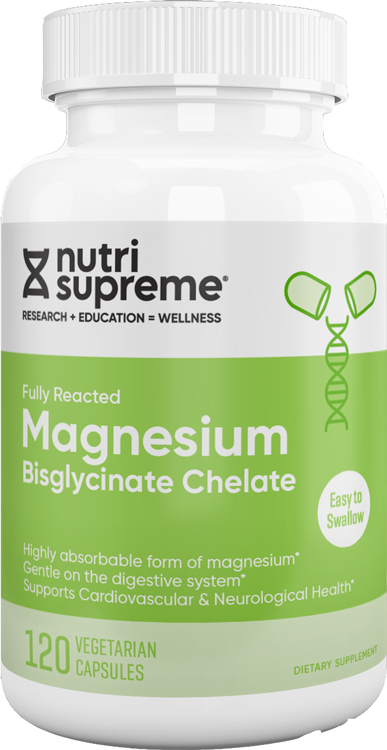
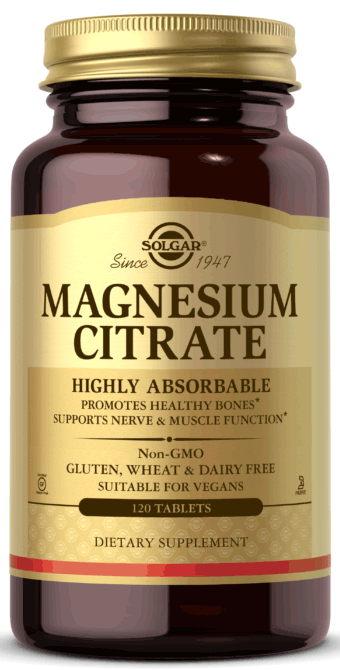
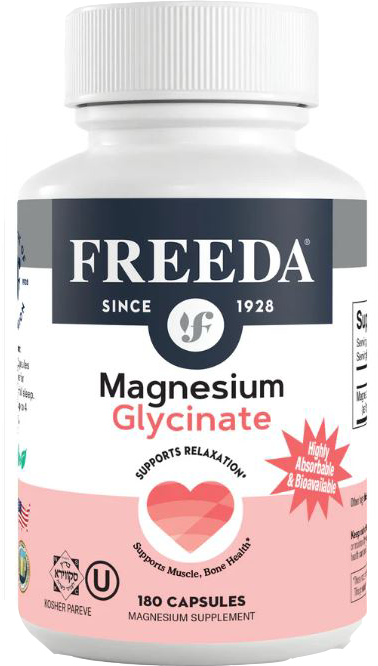
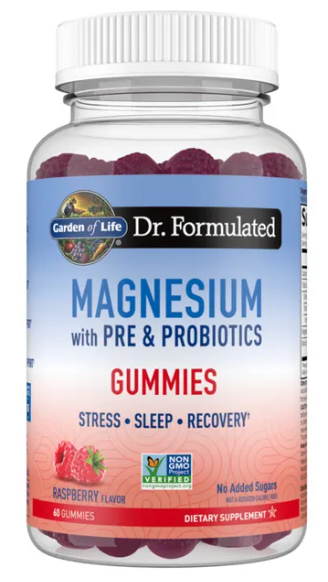
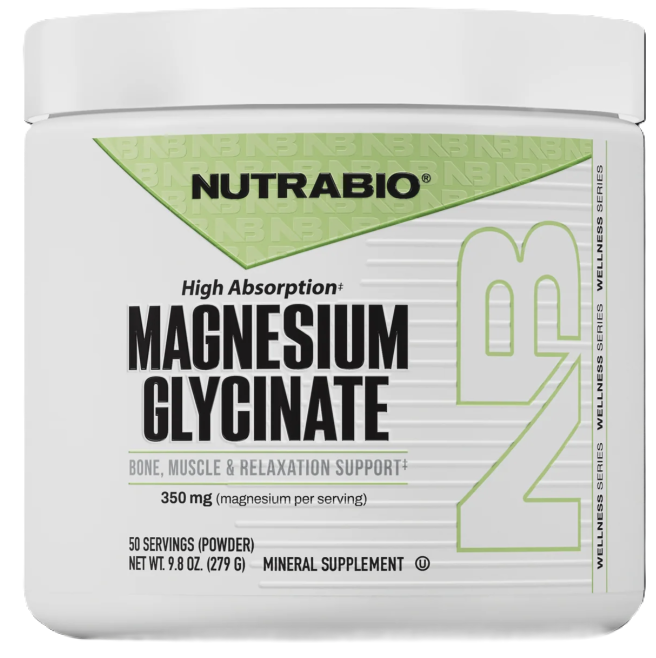

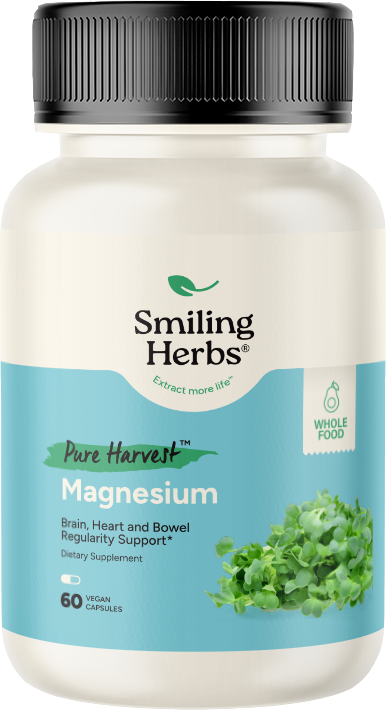
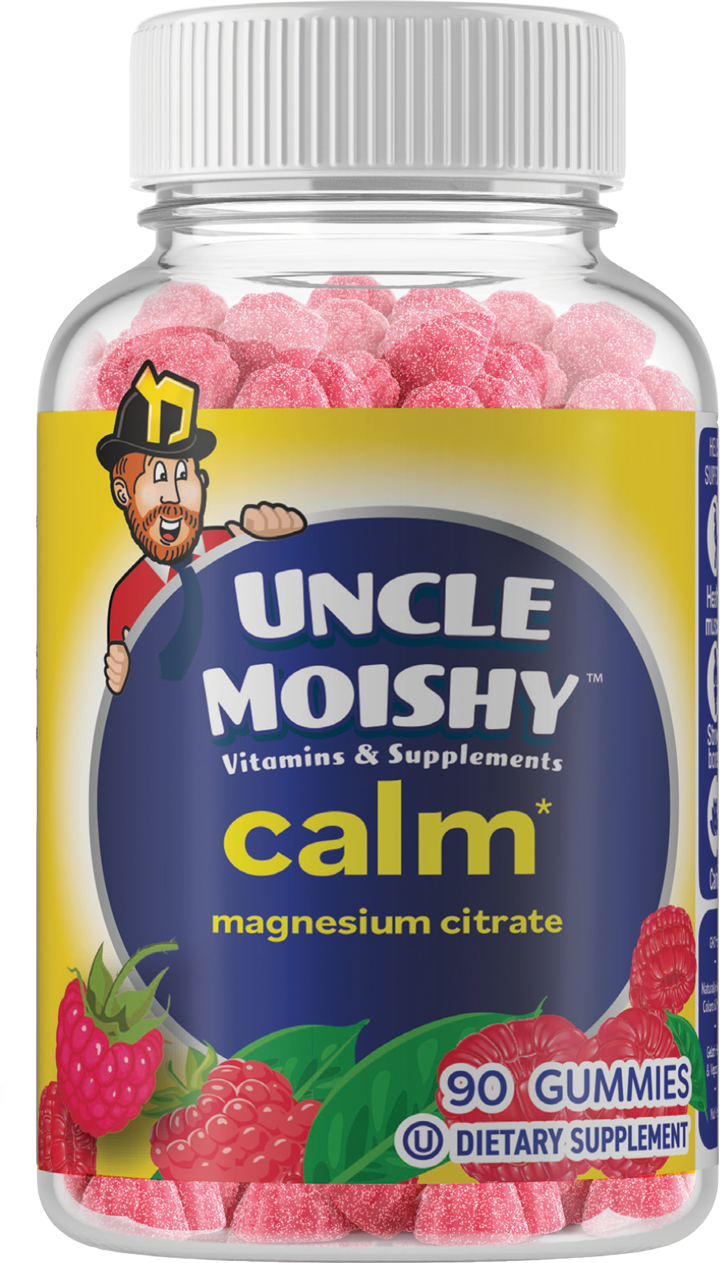
Magnesium is one of our most popular supplements, and it comes in many forms: glycinate, citrate, oxide, threonate, gummies, powders and liquids. The mineral itself is not a kosher concern, but the capsule, the binders and the flavors are. Here is how to choose a kosher magnesium supplement.
What makes a magnesium supplement kosher
Capsules
Many magnesium glycinate products come in capsules, which can be made of gelatin or of vegetable cellulose. See our capsules and gelatin guide for what the agencies accept.
Magnesium stearate and stearic acid
Despite the name, magnesium stearate is not the magnesium you are taking. It is a small amount of flow agent that keeps tablets and capsules from sticking to the machines. It can be made from animal fat or vegetable oil, and the Star-K says stearates need reliable kosher certification.
Gummies, powders and liquids
Magnesium gummies may be made with gelatin or with pectin, and flavored powders, drink mixes and liquids contain flavors and often glycerin, which the Star-K says needs reliable certification. A kosher symbol covers all of these. See our kids’ vitamins guide for gummies.
Magnesium oil, lotions and roll-ons
Magnesium sprays, lotions and roll-ons go on the skin. The Star-K explains that the custom is to allow non-kosher ingredients in products applied to the skin, and several of these products are not kosher certified.
Forms of magnesium
The NIH Office of Dietary Supplements lists magnesium aspartate, citrate, lactate and chloride as forms that are more easily absorbed, and notes that forms that dissolve well in liquid are absorbed more completely than less soluble forms. Common forms on our shelves:
- Glycinate or bisglycinate: magnesium bound to the amino acid glycine (a chelate). One of the most popular forms we sell, in capsules, tablets and powders.
- Citrate: magnesium bound to citric acid, in tablets, capsules, powders and gummies.
- Oxide: a compact form found in many tablets and multi-mineral formulas.
- L-threonate, malate and lysyl glycinate: other forms found in specialty products.
- Complexes: blends of several forms, and calcium-magnesium formulas.
The Supplement Facts panel lists the amount of magnesium itself per serving, so compare products by that number, not by the size of the capsule.
How much magnesium?
The NIH lists the recommended daily amount for adults as 400–420 mg for men and 310–320 mg for women, from all sources. The upper limit for magnesium from supplements and medicines, not counting food, is 350 mg a day for adults and children 9 and older, 110 mg for children 4–8 and 65 mg for children 1–3. The NIH says high intakes from supplements and medicines can cause diarrhea, nausea and abdominal cramping, and that extremely high intakes can cause an irregular heartbeat and cardiac arrest. Don’t take more than the upper limit unless your doctor recommends it.
Magnesium can interact with some medicines. The NIH notes that osteoporosis medicines (bisphosphonates) and some antibiotics are not absorbed well if taken too close to magnesium, that some diuretics change how much magnesium you lose, and that some prescription drugs for acid reflux can lower magnesium levels when taken for a long time. Ask your doctor or pharmacist how to space your magnesium, and check with your doctor first if you have kidney problems.
Magnesium on Pesach
Unflavored tablets and capsules are the simplest choice for Pesach. Flavored powders, drink mixes, gummies and chewables should be checked against a current Pesach list. See our Passover guide.
Kosher magnesium brands we carry
The certification for each product is listed on its page; these are the certifications shown on our product pages for these lines:
| Brand | What it is | Certification on our product pages |
|---|---|---|
| Bluebonnet | Magnesium glycinate, buffered chelated magnesium and L-threonate | Kof-K |
| Maxi Health | Magnesium lysyl glycinate, citrate tablets and citrate powder | Rav Shmuel Dovid Krausz (Udvarer Rav) and the OU |
| Solgar | Magnesium citrate and chelated magnesium tablets | Kof-K |
| Nutri-Supreme Research | Magnesium bisglycinate chelate and calcium-magnesium formulas | Kof-K |
| Freeda | Magnesium glycinate capsules | New Square Kashrus Council and the OU |
| Zahlers | Magnesium citrate capsules and kids’ magnesium gummies | Debracin (Rabbi Shlomo Stern) and the OU |
| NutraBio | Magnesium glycinate capsules and powder | The OU |
| Garden of Life | Magnesium gummies | Star-K |
| Trace Minerals Research | Ionic liquid magnesium | Rabbinical Council of California (RCC) |
Certifications can change, so always check the symbol on the package you buy.
Checklist
- A reliable kosher symbol on capsules, tablets, gummies and powders.
- A vegetarian capsule, or gelatin from a kosher source.
- The amount of magnesium per serving, staying within 350 mg a day from supplements unless your doctor advises otherwise.
- Space magnesium away from antibiotics and osteoporosis medicines; ask your pharmacist.
- For Pesach, check flavored powders, gummies and chewables against a current list.
Shop
Frequently asked questions
Is magnesium kosher?
Magnesium is a mineral, so the magnesium itself is not a kosher concern. The questions are the capsule, stearates, glycerin and flavors, so choose a product with a reliable kosher symbol.
Is magnesium glycinate kosher?
Many magnesium glycinate supplements are kosher certified, including the ones we carry from Bluebonnet (Kof-K), Freeda (New Square Kashrus Council and OU), NutraBio (OU) and Nutri-Supreme Research (Kof-K). Check the symbol on the label.
How much magnesium can I take?
The NIH sets the upper limit for magnesium from supplements and medicines at 350 mg a day for adults, not counting food. Higher amounts can cause diarrhea, nausea and cramping, so don’t take more unless your doctor recommends it.
Do magnesium oil sprays need to be kosher?
They go on the skin, and the Star-K explains that the custom is to allow non-kosher ingredients in products applied to the skin. Several magnesium sprays and lotions are not kosher certified.
More guides
- How to tell if a vitamin or supplement is kosher
- Kosher capsules and gelatin: softgels, veggie caps and fish gelatin
- How to choose a kosher multivitamin
- Kosher iron supplements: tablets, liquids and chewables
- Kosher vitamins for kids: gummies, chewables and liquids
- Kosher for Passover vitamins and supplements
Sources
Got questions? We’re here to help.Mon–Thu 9 AM–5 PM · Fri 9 AM–12:30 PM (Eastern)

One of the largest selections of kosher-certified vitamins and supplements online. Family owned, serving customers since 1975.
| Mon – Thu | 9:00 AM – 5:00 PM |
| Friday | 9:00 AM – 12:30 PM |
| Sat, Sun | Closed |