


Welcome to KosherVitamins.com
Sign in to see your orders, reorder in a click and use your rewards.
Sign in Create an account- Track every order and buy again in one click
- Subscribe & Save – save on every delivery, skip any time
- Earn store credit for reviews and for sharing with friends
- SHOP BY BRAND
- Adora
- Bluebonnet
- Celestial Seasonings
- Derma E
- Doctors Finest
- Dynamic Health
- Earth Therapeutics
- Enzymedica
- Freeda
- Garden of Life
- Grab1
- Green Field
- Growing Naturals
- Health From The Sun
- Health Garden
- Home Health
- If You Care
- In Balance
- Jason
- Kind
- Kosher Innovations
- Kovite
- L.A. Naturals
- Landau
- Lavenluv
- Leroux
- Manitoba Harvest
- Maxi Health
- MegaFood
- Mount Hagen
- Nature’s Alchemy
- Nature`s Plus
- Natures Answer
- Navitco
- New Chapter
- NuGo Nutrition
- Numi Tea
- Nutiva
- NutraBio
- NutraLife
- NutriBiotic
- Nutri-Supreme Research
- Olivella
- Organic India
- Pukka
- Raw Revolution
- Red Star
- Ricola
- Similasan
- Simply Tera’s
- Solgar
- South of France
- SweetLeaf
- Teeccino
- Tiger Balm
- Trace Minerals Research
- Uncle Moishy
- Yum V’s
- Zahlers
- SHOP BY CATEGORIES
- Accessories
- Anti-aging
- Apparel & Accessories
- Baby & Children’s Supplements
- Baby Bath & Skin Care
- Bath & Personal Care
- Botanicals & Herbs
- Diet & Weight Management
- Formulas
- Gifts, Books & Media
- Healthy Home & Travel
- Herbal Teas & Throat Drops
- Homeopathy
- Medicine Cabinet
- Minerals
- Natural Grocery
- Organic
- ParaStat
- Passover Products
- Pets
- Shop by Health Concern
- Sports Nutrition
- Supplements
- Vitamins & Supplements
- BUY 1 GET 1 FREE
- PRODUCTS A-Z
- SHOP BY SALE ITEMS
- TOP SELLERS
- LEARNING CENTER
.jpg)

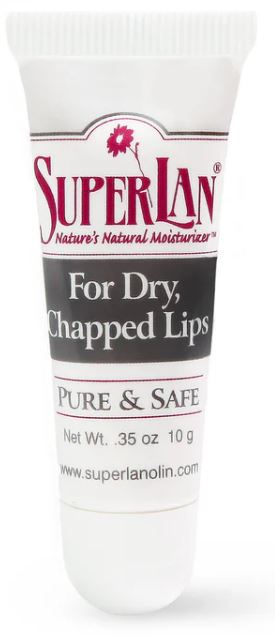
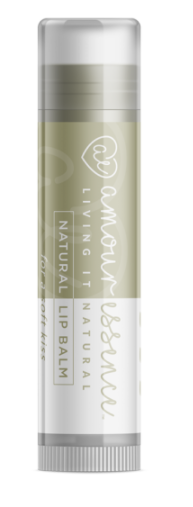
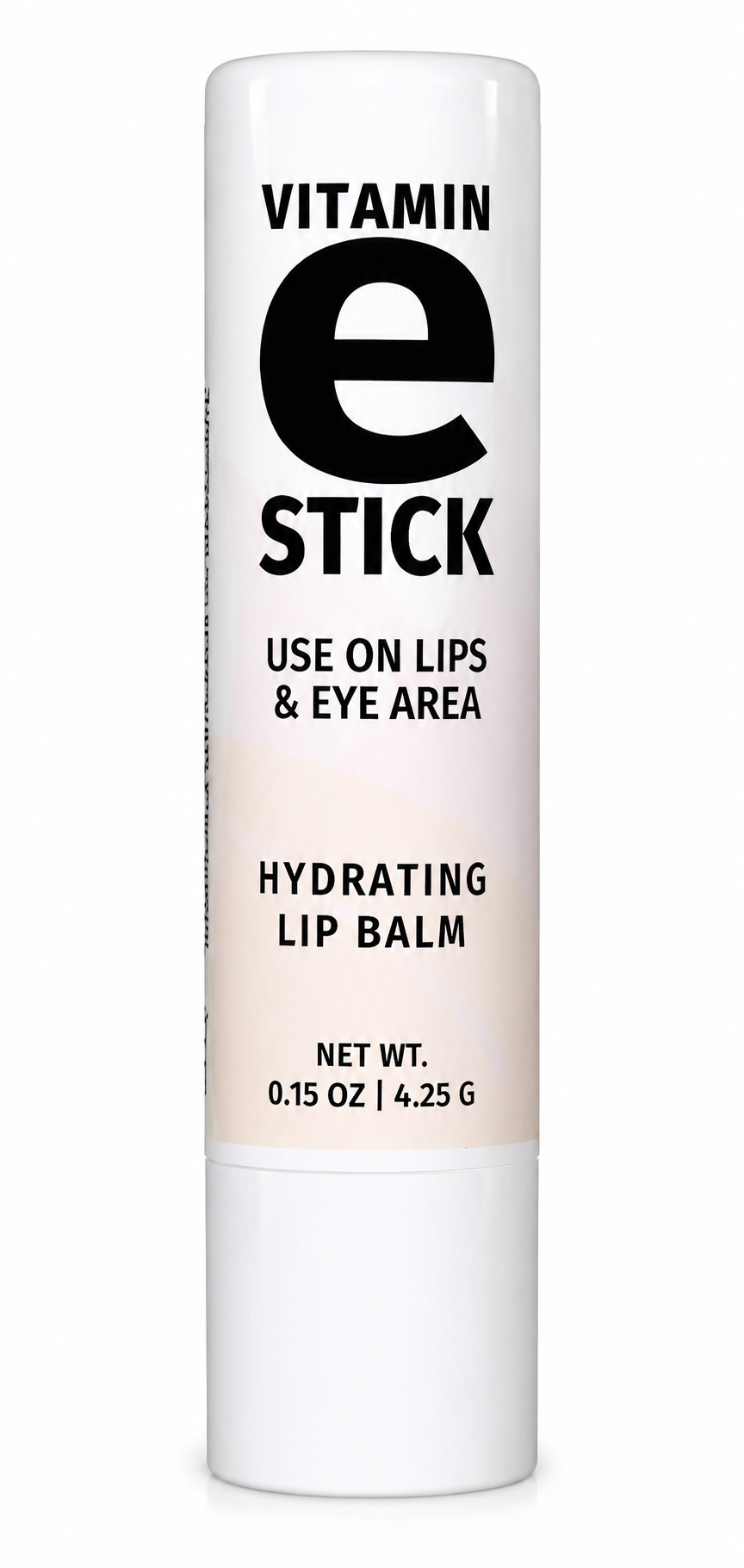
Lip balm (many people just call it ChapStick, after the best-known brand) sits right on your lips, so a little of it gets swallowed with food and drink. Here is what the kosher agencies say about lip balm all year, on Pesach and on Shabbos, and what to look for on the label.
Does lip balm need to be kosher?
The Star-K, following the rulings of Rabbi Moshe Heinemann, explains that the Torah prohibits eating non-kosher food, and that the custom is to allow non-kosher ingredients on the skin. It says one may even put non-kosher ingredients on the lips, such as lipstick and lip balm, even though traces may be swallowed with food, because those traces are batel b’shishim (less than 1 part in 60). The Star-K adds that it is a hidur (an extra measure) to use kosher products when something might be swallowed by accident, and that anything you swallow on purpose needs certification.
The OU is more cautious about flavored lip products. Its Passover list of non-food items says rabbis disagree about whether flavored lip treatments like lipstick and lip balm need kosher certification, both on Pesach and year-round, and tells consumers to ask their rabbi. Because flavored balms taste like food, many families choose a certified balm, especially for children, who tend to lick their lips.
Ingredients in lip balm
Lanolin
Lanolin is a wax that comes from sheep’s wool, and it is the main ingredient in lanolin lip balms such as SuperLan. Poskim have discussed its status because it comes from an animal; the OU accepts the position that lanolin is kosher. Lanolin is also the usual source of vitamin D3; see our vitamin D guide.
Glycerin, oils and waxes
Glycerin keeps balms soft. It can be made from animal fat, vegetable oil or synthetically, and the Star-K says it needs reliable kosher certification. Balms also contain oils, butters and waxes, which can come from many sources.
Flavors and colors
Flavors are made from many ingredients, which is why the Star-K requires certification for anything with natural or artificial flavors. Tinted balms may contain carmine, a red color made from insects that the major agencies do not accept as kosher. If you want a fully kosher lip balm, look for a certification symbol rather than trying to judge the ingredient list yourself.
Lip balm on Pesach
The Star-K explains that cosmetics that are unfit for a dog to eat may be used on Pesach even if they contain chometz. It adds that many people are strict with creams, lotions and liquids that contain chometz, and that this is especially true for lipstick, which can be swallowed. Some lip products contain wheat or oat ingredients. If you are strict, choose a lip balm that appears on a current Pesach list (the Star-K and cRc publish Pesach guides that cover cosmetics), or one certified kosher for Passover. See our Passover guide.
Lip balm on Shabbos
The Star-K says lip balm, ChapStick and Vaseline may not be used on Shabbos, because smoothing a solid or a thick ointment is memareiach (smearing). It notes that treating chapped lips also raises the question of refuah (healing) on Shabbos, and that someone who is unwell (a choleh she’ein bo sakana) may dab rather than smear; ask your rabbi before relying on this. The Star-K permits oils that pour quickly, but says lip gloss is not permitted on Shabbos even if it is untinted. Some rabbis allow a clear, thin liquid lip treatment in a roller-ball. Ask your rabbi which products you may use.
In practice, many people put on a generous layer of lip balm right before Shabbos, and keep their lip balm out of their Shabbos pocket or bag so it isn’t used by habit.
Kosher lip balm brands we carry
The certification for each product is listed on its page; these are the certifications shown on our product pages for these lines:
| Brand | What it is | Certification on our product pages |
|---|---|---|
| SuperLan | Lanolin moisturizer for chapped lips, unflavored and mint | Lishchus Ha’Kashrus |
| Brightol | Lip therapy for chapped and dry lips | Central Rabbinical Congress (CRC) and the OU |
| Dr. Fischer | Vitamin E lip balm | HaRav Shlomo Korach, Bnei Brak |
| Aroma King | Flavored lip balms (cinnamon, spearmint and more) | Rabbi Yechiel Steinmetz |
| Adwe | Clear lip shine and vitamin E lip gloss stick | Debracin (Rabbi Shlomo Stern) |
Certifications can change, so always check the symbol on the package you buy.
Checklist
- A reliable kosher symbol, especially for flavored balms and balms for children.
- An unflavored balm if you want to avoid the flavor question altogether.
- For Pesach, a balm on a current Pesach list or certified kosher for Passover, if you are strict.
- Put it on before Shabbos, and ask your rabbi before using anything on your lips on Shabbos itself.
Shop
Frequently asked questions
Does ChapStick or lip balm need a hechsher?
According to the Star-K, lip balm does not strictly need kosher certification, because traces that are swallowed are nullified. The OU says rabbis disagree about flavored lip products, so many people prefer a certified balm. Ask your rabbi.
Can I use lip balm on Shabbos?
The Star-K says lip balm, ChapStick and Vaseline may not be used on Shabbos, because smoothing them on is memareiach (smearing). Put it on before Shabbos, and ask your rabbi about thin liquid lip treatments.
Do I need a kosher for Passover lip balm?
By strict halacha, a lip balm that is unfit for a dog to eat may be used on Pesach. Many people are strict with lip products because they can be swallowed, and choose one that appears on a current Pesach list.
Is lanolin kosher?
Lanolin comes from sheep’s wool. The OU accepts the position that lanolin is kosher.
More guides
- Kosher lipstick: Shabbos lipstick, Pesach and certification
- Kosher toothpaste and mouthwash
- Kosher gum and mints: what to look for
- Kosher for Passover vitamins and supplements
- Kosher certification symbols on vitamins and supplements
- Kosher vitamin D: D3, D2 and vegan options
Sources
- STAR-K: the kashrus, Shabbos and Pesach guide to cosmetics
- STAR-K: cosmetics and personal care items on Pesach
- OU Passover guide: non-food items (lip treatments)
- OU Torah: the kosher status of lanolin
- STAR-K: glycerin, gelatin, stearates and carmine
- STAR-K: the kashrus of tea (2023)
- COR: gelatin, carmine and shellac
- Jewish Journal: chametz in makeup
- Yeshiva.co: lip balm and creams on Shabbos
Got questions? We’re here to help.Mon–Thu 9 AM–5 PM · Fri 9 AM–12:30 PM (Eastern)

One of the largest selections of kosher-certified vitamins and supplements online. Family owned, serving customers since 1975.
| Mon – Thu | 9:00 AM – 5:00 PM |
| Friday | 9:00 AM – 12:30 PM |
| Sat, Sun | Closed |