


Welcome to KosherVitamins.com
Sign in to see your orders, reorder in a click and use your rewards.
Sign in Create an account- Track every order and buy again in one click
- Subscribe & Save – save on every delivery, skip any time
- Earn store credit for reviews and for sharing with friends
- SHOP BY BRAND
- Adora
- Bluebonnet
- Celestial Seasonings
- Derma E
- Doctors Finest
- Dynamic Health
- Earth Therapeutics
- Enzymedica
- Freeda
- Garden of Life
- Grab1
- Green Field
- Growing Naturals
- Health From The Sun
- Health Garden
- Home Health
- If You Care
- In Balance
- Jason
- Kind
- Kosher Innovations
- Kovite
- L.A. Naturals
- Landau
- Lavenluv
- Leroux
- Manitoba Harvest
- Maxi Health
- MegaFood
- Mount Hagen
- Nature’s Alchemy
- Nature`s Plus
- Natures Answer
- Navitco
- New Chapter
- NuGo Nutrition
- Numi Tea
- Nutiva
- NutraBio
- NutraLife
- NutriBiotic
- Nutri-Supreme Research
- Olivella
- Organic India
- Pukka
- Raw Revolution
- Red Star
- Ricola
- Similasan
- Simply Tera’s
- Solgar
- South of France
- SweetLeaf
- Teeccino
- Tiger Balm
- Trace Minerals Research
- Uncle Moishy
- Yum V’s
- Zahlers
- SHOP BY CATEGORIES
- Accessories
- Anti-aging
- Apparel & Accessories
- Baby & Children’s Supplements
- Baby Bath & Skin Care
- Bath & Personal Care
- Botanicals & Herbs
- Diet & Weight Management
- Formulas
- Gifts, Books & Media
- Healthy Home & Travel
- Herbal Teas & Throat Drops
- Homeopathy
- Medicine Cabinet
- Minerals
- Natural Grocery
- Organic
- ParaStat
- Passover Products
- Pets
- Shop by Health Concern
- Sports Nutrition
- Supplements
- Vitamins & Supplements
- BUY 1 GET 1 FREE
- PRODUCTS A-Z
- SHOP BY SALE ITEMS
- TOP SELLERS
- LEARNING CENTER
.jpg)

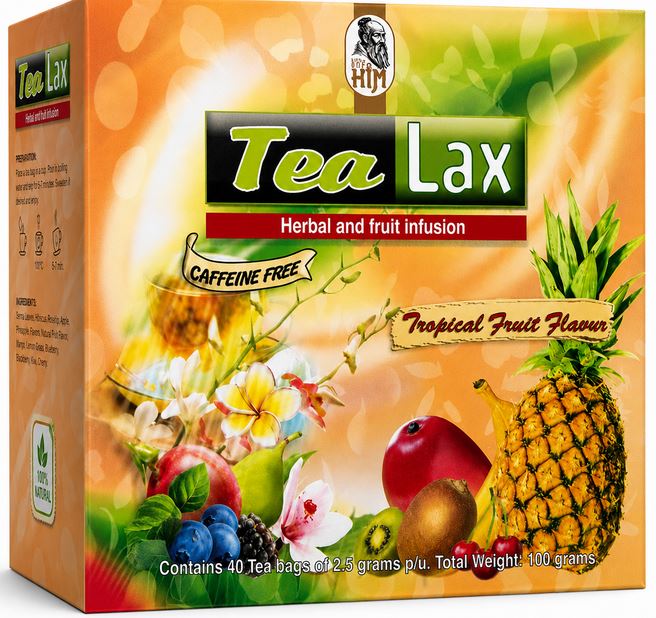
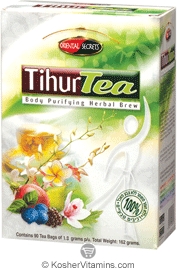
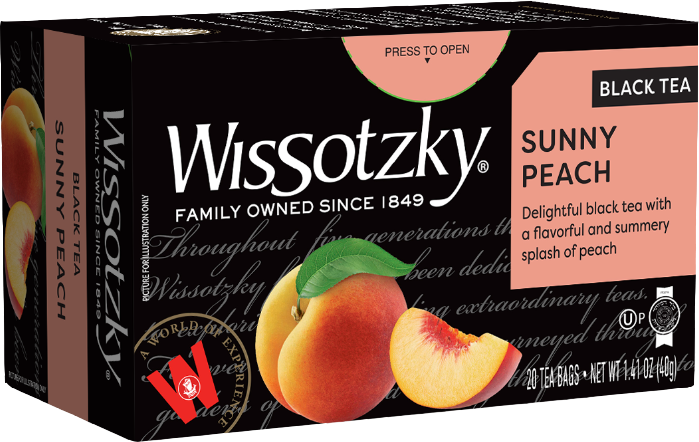
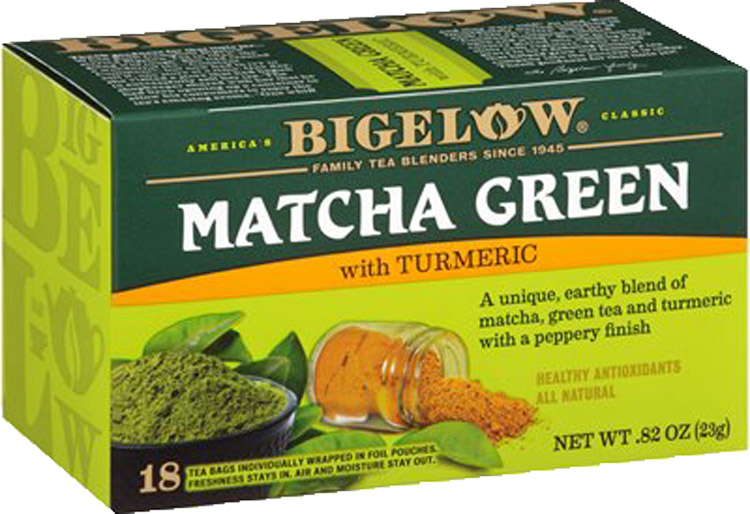
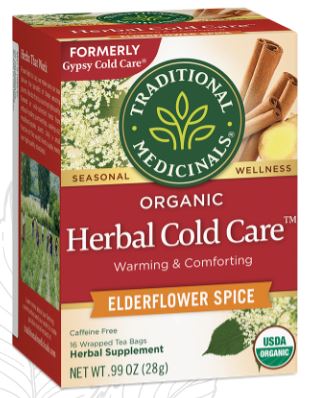
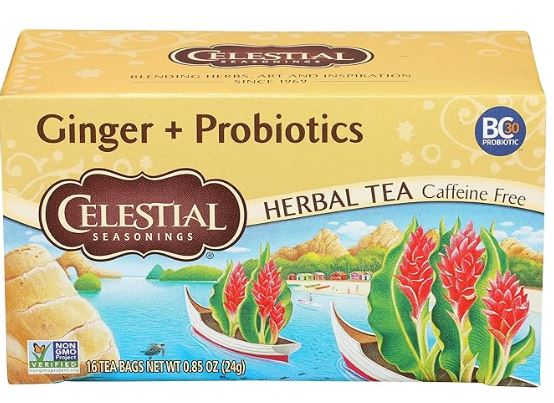
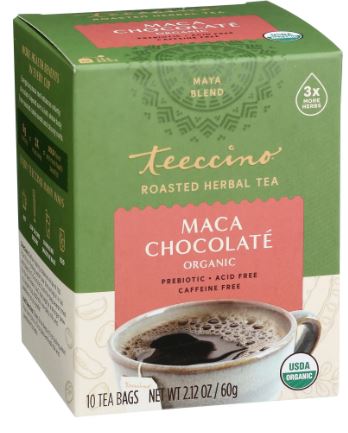

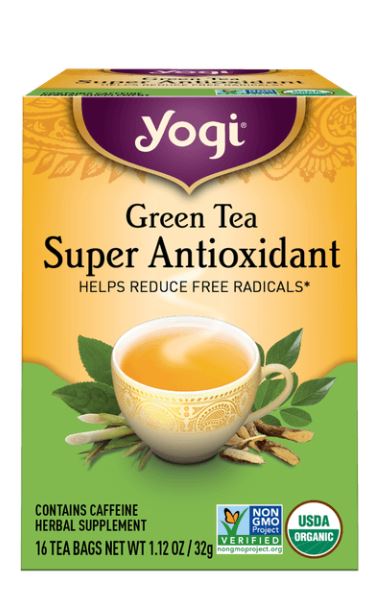
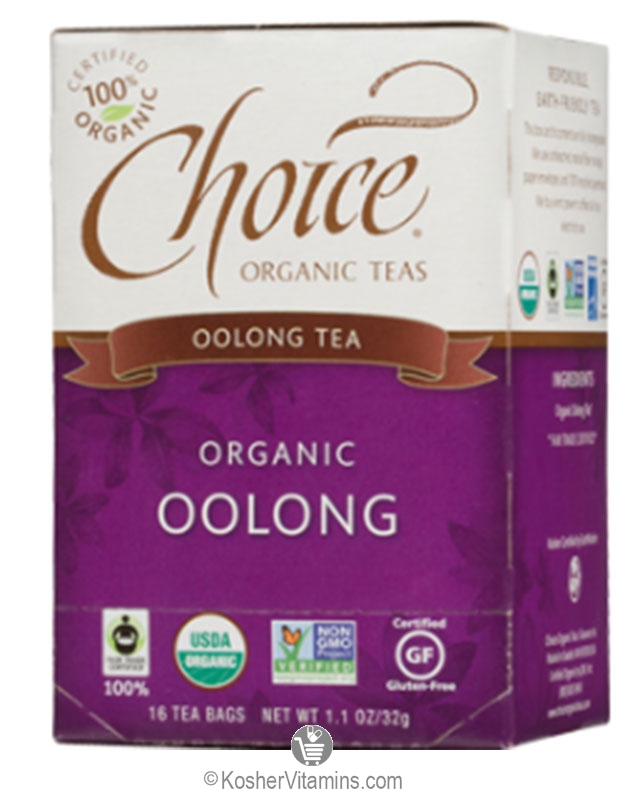
Plain tea is one of the simplest products in the kosher world, but flavored, herbal and decaf teas are a different story. Here is what the kosher agencies say, and how to choose kosher tea year-round and for Pesach.
Plain black, green and white tea
The Star-K says there are no kashrus concerns with unflavored tea bags. The OU explains that regular tea leaf is not difficult to certify, because there is no concern of cross-contamination with non-kosher ingredients or with equipment shared with non-kosher products. The Star-K adds that plain instant tea generally does not need certification either, but only when it is unflavored.
Flavored tea
Flavors are made from many different ingredients, so the Star-K says any product with natural or artificial flavors needs certification, and flavored teas are no exception. Its mashgichim make frequent unannounced visits to the tea companies it certifies. The Star-K’s earlier tea article notes one exception: an Earl Grey that lists only bergamot oil, with no other flavors, is acceptable even without certification.
Herbal teas
Herbal teas such as chamomile and mint are made from dried herbs, leaves, flowers and roots. The Star-K says plain herbal teas like these are intrinsically kosher and do not need certification, but that herbal teas with added flavors or other ingredients need reliable certification. The OU calls herbal tea more complex than regular tea: it is often not made from the tea plant at all but from herbs, peels and fruit, and the equipment, flavors and heat sources all need to be checked. Most herbal blends on the shelf contain flavors or several ingredients, so look for a symbol.
Some herbal teas are sold for a health purpose, such as laxative, cold-care or pregnancy teas. They act on the body, so follow the label, and ask your doctor before using them if you are pregnant or nursing, take medicine, or are giving them to a child.
Decaf tea
The OU explains that both common decaffeination methods use kosher agents on dedicated equipment, so decaf tea can be certified. For Pesach, the cRc and Star-K both say decaf tea needs Passover certification.
Dairy teas
The Star-K points out that some flavored teas are reliably certified but are dairy. A dairy tea used by mistake as pareve can cause problems with your dishes, with drinking it with or after a meat meal, and with Cholov Yisroel. Check the symbol for a D or the word dairy, especially on chai, latte and creamy dessert flavors. See our Cholov Yisroel guide.
Iced tea and bottled tea
The Star-K explains that preservative-free iced tea is usually pasteurized, which can raise kashrus questions if the plant also makes uncertified products, so bottled iced tea should have a reliable symbol.
Tea on Pesach
The agencies differ here. The cRc says plain black, green, white, yellow, oolong and jasmine teas are inherently kosher for Pesach, while decaf and flavored teas, which include most herbal teas, need Passover certification. The Star-K is stricter: it reports that gluten (chometz) has been found in some green and white teas, especially imports from China, and it requires all teas to carry a kosher for Passover marking before use. Follow your own agency’s Pesach guide, and check each box, since some teas are marked kosher for Passover year-round and others are not. See our Passover guide.
Kosher tea brands we carry
The certification for each product is listed on its page; these are the certifications shown on our product pages for these lines:
| Brand | What it is | Certification on our product pages |
|---|---|---|
| Traditional Medicinals | Organic herbal and wellness teas (chamomile, ginger, peppermint, dandelion and more) | OK Kosher Certification |
| Yogi Tea | Herbal, green and wellness tea blends | The OU |
| Bigelow | Black, green and herbal teas | Kof-K |
| Celestial Seasonings | Herbal and wellness teas | Star-K or the OU, depending on the tea |
| Wissotzky Tea | Black, green and fruit and herbal teas from Israel | The OU on most varieties; check each box |
| Numi Tea | Organic teas and herbal teas | Natural Food Certifiers (NFC) |
| Choice Organics | Organic black, green and herbal teas | Earth Kosher |
Certifications can change, so always check the symbol on the package you buy.
Checklist
- Plain, unflavored black, green or white tea: generally fine without a symbol year-round.
- Flavored teas, herbal blends, chai and decaf: a reliable kosher symbol.
- A pareve or dairy marking on flavored and creamy teas.
- For Pesach, follow your agency’s guide and look for a Passover marking, especially on decaf, flavored and herbal teas.
Shop
Frequently asked questions
Does tea need a hechsher?
Plain, unflavored tea is generally kosher without certification, according to the Star-K and OU. Flavored teas, most herbal blends and decaf teas should have a reliable kosher symbol.
Is herbal tea kosher?
The Star-K says plain herbal teas like chamomile and mint are intrinsically kosher. Herbal teas with added flavors or other ingredients need reliable certification, and most herbal blends on the shelf have them.
Is plain tea kosher for Passover?
The cRc says plain black, green, white, oolong and jasmine teas are inherently kosher for Pesach. The Star-K requires a kosher for Passover marking on all teas, because gluten has been found in some imported green and white teas. Follow your agency.
Is decaf tea kosher for Passover?
The cRc and Star-K both say decaf tea needs Passover certification.
More guides
- Kosher cough drops and throat lozenges: is Ricola kosher?
- Kosher for Passover vitamins and supplements
- Cholov Yisroel vitamins and supplements
- What is xylitol? Uses, kosher status and safety
- Kosher certification symbols on vitamins and supplements
- How to tell if a vitamin or supplement is kosher
Sources
Got questions? We’re here to help.Mon–Thu 9 AM–5 PM · Fri 9 AM–12:30 PM (Eastern)

One of the largest selections of kosher-certified vitamins and supplements online. Family owned, serving customers since 1975.
| Mon – Thu | 9:00 AM – 5:00 PM |
| Friday | 9:00 AM – 12:30 PM |
| Sat, Sun | Closed |